
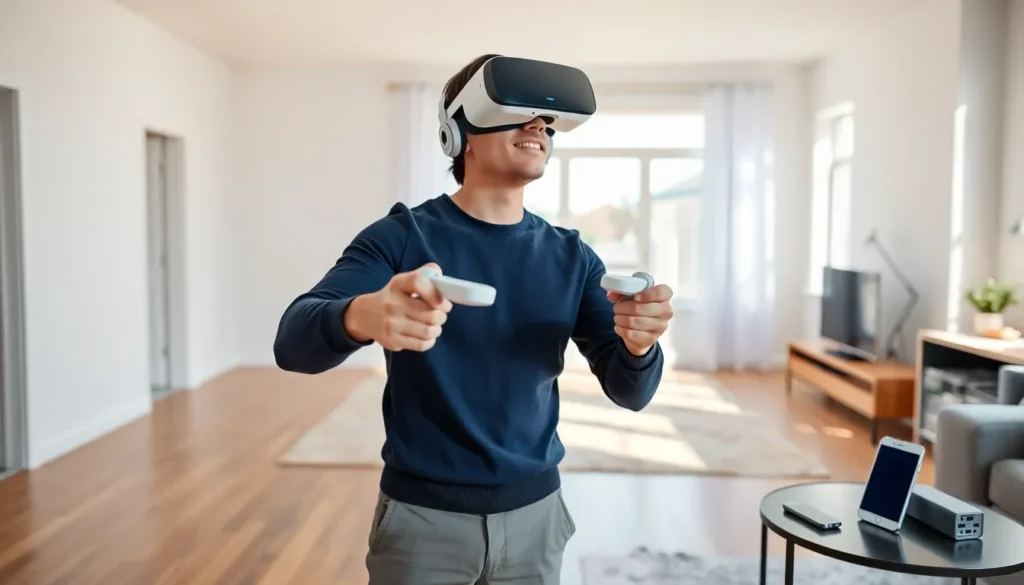
Learning how to virtual reality can feel overwhelming at first. The technology has evolved rapidly, and the options available in 2025 range from affordable standalone headsets to high-end PC-powered systems. This guide breaks down everything beginners need to know about virtual reality, from understanding the core technology to setting up equipment and enjoying that first immersive experience. Whether someone wants to game, exercise, or explore digital worlds, virtual reality offers experiences that flat screens simply can’t match.
Table of Contents
ToggleKey Takeaways
- Virtual reality systems come in two main types: affordable standalone headsets like the Meta Quest 3 and high-end PC-connected options like the Valve Index.
- Learning how to virtual reality starts with choosing the right headset for your budget and ensuring you have at least a 6.5 x 6.5 feet play space.
- Set up your headset properly by adjusting the interpupillary distance (IPD) for sharp visuals and configuring accurate safety boundaries.
- Begin with short 15-20 minute sessions and beginner-friendly games like Beat Saber to avoid motion sickness while your brain adjusts.
- Virtual reality extends beyond gaming to fitness, education, social platforms, and professional training applications.
- Stop immediately if you experience nausea or dizziness, and always keep your play area clear of pets, furniture, and breakable objects.
Understanding Virtual Reality Technology
Virtual reality (VR) creates computer-generated environments that users can interact with through specialized hardware. The technology tracks head movements and adjusts the display in real time, creating the illusion of being inside a digital space. This immersion separates virtual reality from traditional screens, users don’t just watch content, they exist within it.
Modern virtual reality systems use several key technologies working together. Displays inside the headset show separate images to each eye, creating depth perception. Motion sensors detect when users turn their heads, look up, or lean forward. Controllers track hand positions and let users grab, point, and interact with virtual objects.
There are two main types of virtual reality systems available today. Standalone headsets like the Meta Quest 3 contain all processing hardware inside the device itself. They don’t need cables or external computers. PC-connected headsets like the Valve Index rely on a gaming computer for processing power, delivering higher graphical fidelity but requiring more setup.
Virtual reality applications extend far beyond gaming. Fitness apps turn workouts into engaging experiences. Educational programs let students explore ancient Rome or travel inside the human body. Social platforms allow people to meet friends in virtual spaces. The technology serves entertainment, education, and professional training alike.
Essential VR Equipment You Need
Starting with virtual reality requires choosing the right headset for individual needs and budgets. The equipment decision shapes the entire VR experience.
Standalone Headsets
The Meta Quest 3 represents the most popular entry point for virtual reality in 2025. It costs around $500, requires no additional hardware, and offers access to hundreds of apps and games. The Quest 3 also supports mixed reality, blending virtual elements with the real environment. For tighter budgets, the Meta Quest 2 remains available at lower prices while still delivering solid VR experiences.
PC-Connected Headsets
Users with gaming PCs can access premium virtual reality through tethered headsets. The Valve Index offers excellent tracking and high refresh rates. The HP Reverb G2 provides sharp visuals at a reasonable price point. These systems require a VR-ready graphics card, typically an NVIDIA RTX 3060 or better.
Controllers and Accessories
Most virtual reality headsets include two motion controllers. These controllers feature buttons, triggers, and tracking sensors. Some users add accessories like prescription lens inserts, upgraded head straps for comfort, or charging docks. A VR-ready play space mat helps users feel boundaries without looking.
Space Requirements
Virtual reality needs physical room. A minimum play area of 6.5 feet by 6.5 feet works for most experiences. Larger spaces, around 10 feet by 10 feet, allow full movement in games that require walking or dodging. Users should remove furniture, secure cables, and ensure nothing breakable sits within arm’s reach.
Setting Up Your VR System
Setting up virtual reality equipment correctly ensures the best possible experience. The process varies between standalone and PC-connected systems, but general principles apply to both.
Standalone Headset Setup
For devices like the Meta Quest 3, setup takes about 15 minutes. Users download the companion app to their smartphone, create an account, and follow on-screen instructions. The headset guides users through drawing a virtual boundary around their play space, this boundary appears as a warning grid when users get too close to walls or furniture.
Adjusting the headset fit matters significantly. The display should look sharp, not blurry. Users adjust the interpupillary distance (IPD), the spacing between lenses, to match their eyes. Most headsets offer multiple IPD settings or continuous adjustment.
PC-Connected Setup
PC virtual reality requires more steps. Users install the headset’s software platform (SteamVR, Oculus PC app, or Windows Mixed Reality). They connect cables and set up any external tracking sensors according to manufacturer instructions. Base stations for systems like the Valve Index mount on walls or tripods, positioned to see the entire play area.
Graphics settings need configuration for smooth performance. Virtual reality demands consistent frame rates, dropped frames cause discomfort. Users should start with recommended settings and adjust based on performance.
Guardian and Boundary Systems
Every virtual reality platform includes safety boundaries. During setup, users trace their play area while wearing the headset. The system remembers this boundary and displays warnings when users approach the edges. Taking time to set accurate boundaries prevents accidents.
Tips for Your First VR Experience
First-time virtual reality users should follow several guidelines to ensure an enjoyable introduction to the technology.
Start with Short Sessions
New users should limit initial virtual reality sessions to 15-20 minutes. The brain needs time to adjust to the disconnect between visual motion and physical stillness. Longer sessions can cause motion sickness in beginners. Gradually increase session length as comfort develops over days or weeks.
Choose Beginner-Friendly Content
Not all virtual reality content suits newcomers. Experiences with smooth locomotion, where the view slides forward as if walking, cause more discomfort than teleportation-based movement. First-timers should try:
- Beat Saber (rhythm game with stationary play)
- Superhot VR (slow-paced action)
- Job Simulator (casual interactions)
- Nature documentaries and 360-degree videos
These titles keep users grounded while demonstrating what virtual reality can offer.
Stop at First Signs of Discomfort
Motion sickness in virtual reality feels like car sickness, nausea, sweating, or dizziness. Users should remove the headset immediately when these symptoms appear. Pushing through discomfort makes it worse and can create lasting negative associations with VR.
Keep the Play Area Clear
Virtual reality blocks vision of the real world. Users should double-check their space before each session. Pets, children, and stray objects create tripping hazards. A ceiling fan represents a particular danger, many controllers have met their end this way.
Stay Hydrated and Take Breaks
Active virtual reality games cause real sweating. Users should keep water nearby and wipe down the headset between sessions for hygiene. Regular breaks prevent eye strain and fatigue.


