
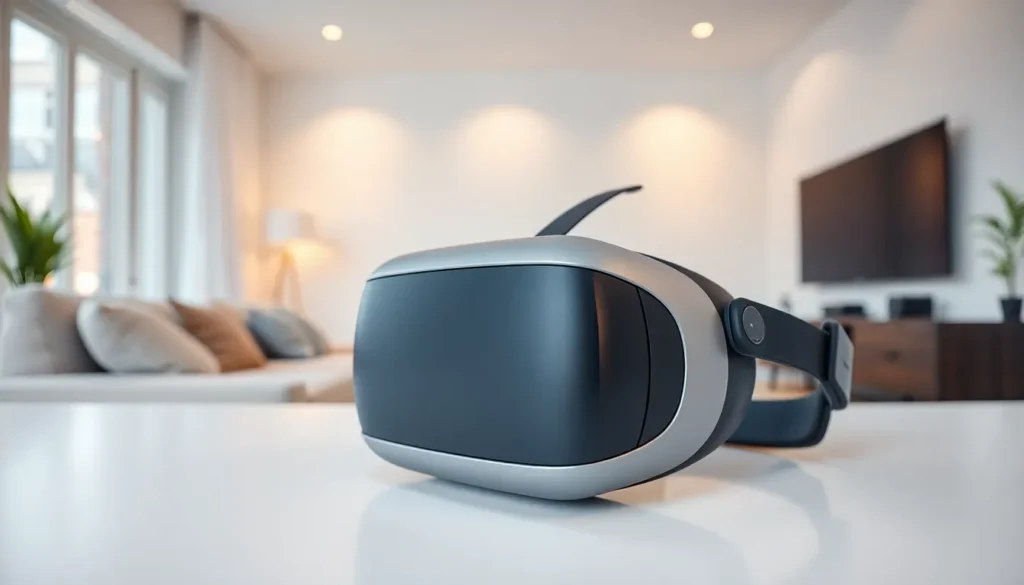
Top virtual reality headsets have changed how people game, work, and experience digital content. The technology has matured significantly, and 2025 brings options that fit nearly every budget and use case. Whether someone wants to explore immersive worlds, attend virtual meetings, or get a serious workout, the right VR headset can deliver.
This guide covers the best virtual reality headsets available right now. It breaks down what separates great hardware from mediocre options, highlights premium and budget picks, and offers practical advice for choosing the perfect fit.
Table of Contents
ToggleKey Takeaways
- Top virtual reality headsets in 2025 range from budget-friendly options under $250 to premium devices like the Apple Vision Pro at $3,499.
- Display quality, refresh rate (90Hz or higher), and tracking accuracy are the most important factors when choosing a VR headset.
- The Meta Quest 3 stands out as the best overall top virtual reality choice, offering standalone and PC-connected experiences for around $500.
- Standalone headsets like the Quest 3 require no additional hardware, while PC VR headsets need a powerful graphics card (RTX 3070 or better).
- Always try a VR headset before buying and consider comfort, IPD adjustment, and your primary use case—whether gaming, fitness, or productivity.
What Makes a Great VR Headset
A top virtual reality headset needs to excel in several key areas. Display quality sits at the top of the list. Higher resolution panels reduce the “screen door effect” that plagued earlier devices. Most premium headsets now offer at least 2K resolution per eye, and some push beyond 4K.
Refresh rate matters just as much. A headset running at 90Hz or higher produces smoother visuals and reduces motion sickness. Many users can tell the difference between 72Hz and 120Hz immediately.
Tracking accuracy determines how well the virtual world responds to movement. Inside-out tracking uses cameras on the headset itself, while outside-in systems rely on external sensors. Both can work well, but inside-out tracking offers easier setup.
Comfort affects how long someone can wear a VR headset. Weight distribution, strap design, and facial interface padding all play roles. A device that causes discomfort after 20 minutes limits its usefulness.
The controller ecosystem also shapes the experience. Some virtual reality headsets support hand tracking, letting users interact without holding anything. Others require dedicated controllers with haptic feedback.
Finally, content availability determines value. A fantastic VR headset means little without games, apps, and experiences to enjoy. Platform ecosystems vary widely in library size and exclusive titles.
Best Premium VR Headsets
The Meta Quest 3 remains a top virtual reality choice for most buyers in 2025. It delivers standalone performance without needing a PC, yet it can connect to computers for more demanding experiences. The mixed reality passthrough cameras let users blend digital content with their physical space. At around $500, it hits a sweet spot between price and capability.
Apple Vision Pro targets a different audience entirely. This virtual reality headset focuses on productivity and media consumption rather than gaming. The display quality surpasses everything else on the market, and eye tracking enables intuitive navigation. The $3,499 price limits its audience, but professionals and early adopters find genuine value here.
For PC VR enthusiasts, the Valve Index still holds up remarkably well. Its 144Hz refresh rate creates incredibly smooth visuals. The Index controllers offer finger tracking that adds natural interaction to supported games. The complete kit runs around $1,000, plus buyers need a capable gaming PC.
The PlayStation VR2 serves console gamers who own a PS5. Sony’s virtual reality headset features OLED displays with HDR support. The eye tracking enables foveated rendering, which improves performance without sacrificing visual quality. Exclusive titles like Horizon Call of the Mountain demonstrate the platform’s potential.
Best Budget-Friendly VR Options
Not everyone needs to spend hundreds on a virtual reality headset. Several options deliver solid experiences at lower price points.
The Meta Quest 2 remains available at reduced prices. While it lacks the Quest 3’s mixed reality features, it still runs the same library of standalone games. Buyers can find it under $250, making it an excellent entry point for VR newcomers.
Pico 4 offers competition in the standalone space. This virtual reality headset matches or exceeds the Quest 2 in specifications while often costing less. Its pancake lenses create a slimmer profile that some users prefer. Game library size lags behind Meta’s platform, but it continues growing.
For those with gaming PCs, the HP Reverb G2 frequently goes on sale. Its resolution rivals headsets costing twice as much. The Windows Mixed Reality platform provides access to SteamVR content. Controllers feel less refined than competitors, but the visual clarity compensates.
Smartphone-based VR has largely faded, but Google Cardboard and similar viewers still work for basic experiences. These cost under $20 and require only a compatible phone. They suit curious beginners who want to sample virtual reality before committing to dedicated hardware.
How to Choose the Right VR Headset for You
Selecting the right virtual reality headset depends on individual priorities and existing hardware.
Consider the primary use case. Gamers should prioritize refresh rate and controller quality. Fitness users need comfortable straps and good ventilation. Productivity-focused buyers benefit from high resolution and mixed reality features.
Check hardware requirements. Standalone headsets like the Quest 3 work independently. PC VR headsets demand capable graphics cards, typically an RTX 3070 or better for smooth performance. PlayStation VR2 requires a PS5.
Think about space. Room-scale VR needs a clear play area of at least 6.5 feet by 6.5 feet. Seated experiences work in smaller spaces. Some top virtual reality games require standing and moving around.
Factor in ongoing costs. Games typically range from $10 to $60. Subscription services like Meta Quest+ provide monthly game access. Accessories such as elite straps, prescription lens inserts, and extended batteries add up.
Try before buying when possible. Many electronics stores have demo units. Friends or family members who own VR headsets can provide valuable hands-on time. What looks perfect on paper might not suit someone’s preferences in practice.
Physical considerations matter too. People who wear glasses should look for headsets with adjustable IPD (interpupillary distance) and enough lens depth. Those prone to motion sickness might want to start with stationary experiences before trying locomotion-heavy games.


